





































Highlights
Every spring, something in your body seems to ask for a fresh start. You might notice more fatigue than expected, a little extra heaviness, digestion that feels sluggish, or a foggy mental quality that just does not seem to lift after winter. Most people chalk this up to seasonal change and push through. Ayurveda has a different perspective, and a gentle, practical solution that has been used for thousands of years.
That solution is called Shamana (gentle palliative therapy), and it is the heart of what we offer at Kerala Ayurveda as our annual Spring Cleanse. You do not need to travel anywhere, take time off work, or follow a dramatic protocol. Shamana is a daily, home-based practice that works quietly and steadily to help your body clear accumulated winter waste, rekindle your digestive energy, and step into spring feeling genuinely renewed.
What Is Shamana?

Shamana is one of Ayurveda's two primary pathways for restoring health and vitality. Where the other pathway, Pancha Karma (the five therapeutic actions), works through an intensive clinic-based program, Shamana takes a gentler, slower approach. It works with your body's own natural elimination processes over time, gradually helping your system clear accumulated waste and return each dosha (energy type) to its natural, healthy state.
In plain terms, Shamana is a guided daily cleanse. It uses warm, easy-to-digest foods, specific herbal support, breathwork, gentle movement, and simple lifestyle practices to help your body do what it naturally knows to do. The difference is that with Shamana, you are actively supporting every one of your body's natural elimination channels at the same time. That is where the three Malas come in.
How Your Body Eliminates: The Three Malas
Ayurveda recognizes three primary ways the body removes waste. These are called the Tri Malas (three waste products), and keeping all three eliminating properly is one of the most important things you can do for your long-term health. When waste builds up and any of these channels becomes sluggish, the whole system begins to feel the effects.
Purisha (feces): Your digestive system breaks down food and separates what nourishes you from what needs to leave. Regular, comfortable, and complete elimination of feces is a cornerstone of good health in Ayurveda. When digestion is weak or food choices are poor, this channel backs up and the effects ripple throughout the whole body.
Mutra (urine): Your kidneys and urinary system filter the blood and remove liquid waste. Healthy urine output reflects well-functioning kidneys, good hydration, and a body that is actively clearing metabolic byproducts. Dull, scanty, or infrequent urination can signal that this channel needs support.
Sveda (sweat): Your skin is your largest elimination organ. Healthy, regular sweating through activity or warmth releases fat-soluble waste products, regulates body temperature, and keeps the skin clear and vibrant. When we sit still all day in climate-controlled environments, this channel is often the most neglected of the three.
When all three Malas are flowing normally, you feel light, clear, and energetic. When even one becomes sluggish, Ama (unprocessed waste and metabolic residue) begins to accumulate in the tissues. Over time, that buildup is what produces the heaviness, fatigue, skin congestion, joint stiffness, and foggy thinking that so many people experience, especially at the end of winter. Shamana works on all three Malas simultaneously.
Why Spring Is the Ideal Time to Cleanse

In Ayurveda, each season is associated with one of the tri-dosha. Winter is governed by Kapha (Water energy), which is heavy, slow, cool, and dense by nature. Through the colder months, Kapha naturally increases in the body. This is actually protective in winter, building warmth and insulation. But when spring arrives and the environment warms, all of that accumulated Kapha begins to loosen and liquefy inside the body as well.
If it is not actively cleared, that winter Kapha settles into the tissues and channels, blocking the free flow of energy, circulation, and the three Malas. This is the Ayurvedic explanation for the familiar spring sluggishness: congestion, seasonal allergies, low motivation, skin breakouts, and that persistent feeling of being just a little off. Shamana applied in spring catches this process at exactly the right moment, when the accumulated Kapha is already beginning to move and is easiest to clear.
The Health Benefits of a Spring Cleanse

A well-guided Shamana practice supports the whole body from the inside out. When the three Malas are eliminating properly and Agni (digestive fire) is strong, nearly every system in the body functions better. Here is what people commonly experience with a guided Spring Cleanse:
- Improved digestion and regularity: When Agni (digestive fire) is rekindled and the digestive channel is clear, food is properly broken down, nutrients are absorbed, and waste leaves efficiently and comfortably.
- More consistent, lasting energy: Ama (accumulated waste) is heavy and depleting. As it clears, Prana (life force energy) moves more freely and energy levels stabilize naturally throughout the day.
- Clearer, brighter skin: The skin reflects what is happening internally. Supporting the sweat channel and clearing internal Ama often produces visible improvements in skin clarity, tone, and radiance.
- Reduced joint stiffness and physical heaviness: Ama has a sticky, heavy quality and tends to settle in the joints and connective tissues. Clearing it relieves that characteristic winter stiffness that lingers into spring.
- Sharper mental focus and lifted mood: Ama affects the mind as much as the body. Many people report a noticeable clearing of mental fog, improved concentration, and a more positive, motivated outlook as the cleanse progresses.
- Deeper, more restorative sleep: When Vata (Air energy) returns to its natural state and internal waste is reduced, the nervous system settles. Sleep becomes more consistent, more restful, and genuinely rejuvenating.
- Stronger immune resilience: In Ayurveda, strong Ojas (vitality and immunity) depends on clean, well-functioning digestion. Clearing Ama and supporting the three Malas directly strengthens the body's natural immune response.
What a Shamana Spring Cleanse Looks Like in Practice

Shamana works through simple, sustainable daily practices that are adjusted for each person based on their individual constitution and current needs. A qualified Ayurvedic practitioner designs your specific plan, but common elements include:
- Herbal teas and formulas that support Agni (digestive fire) and help the body process and clear accumulated Ama
- Warm, easy-to-digest foods that rest the digestive system and reduce the production of new Ama
- Gentle movement and yoga postures that stimulate the lymphatic system, support circulation, and encourage healthy sweating through the Sveda (sweat) channel
- Pranayama (breathing exercises) that clear the subtle channels of the body and support the nervous system
- Simple fasting practices such as a daily light diet of Khichadi (basmati rice and mung dal), gives the digestive system a genuine reset
The duration and specific practices of your Shamana plan will vary based on your individual needs. Some people complete a focused two to three week spring reset. Others maintain Shamana practices through the entire spring season. Your practitioner guides the pace, the herbs, and the adjustments along the way.
What stays consistent is the approach: gentle, gradual, and completely integrated into your daily life. No retreat, no time off, no dramatic changes. Just steady daily practices that accumulate into real, lasting results.
Start Your Spring Cleanse with Kerala Ayurveda

Spring does not have to feel like a season you just endure until your energy comes back on its own. With Shamana, you have a clear, practical, and time-tested way to actively support your body through the seasonal transition, clear what winter left behind, and step into the warmer months feeling genuinely light, focused, and well.
The Kerala Ayurveda Spring Cleanse is a guided Shamana program designed specifically for this purpose. It brings together personalized practitioner guidance, quality Ayurvedic herbal support, and a clear daily practice plan you can follow from home at a pace that works for your life.
Ready to experience what a guided Spring Cleanse can do for you? Learn more about the Kerala Ayurveda Spring Cleanse and take the first step toward a lighter, cleaner, more energized season ahead.

References
Classical Ayurvedic Texts
- Vagbhata. Ashtanga Hridayam, Sutra Sthana, Chapter 14 (Dvividhopakramaniyam Adhyayam). Varanasi: Krishnadas Academy, 2000. Definition and seven types of Shamana; Tri Mala (three waste products) classification.
- Charaka. Charaka Samhita, Sutra Sthana, Chapter 22 (Langhanabrimhaniya Adhyaya). Edited by Vaidya Jadavji Trikamji Acharya. Varanasi: Chaukhamba Sanskrit Sansthana. Shamana classification; Langhana and Pachana therapies; Upavasa as Shamana.
- Sushruta. Sushruta Samhita. Edited by Jadavaji Trikamji Acharya. 8th edition. Varanasi: Chaukhambha Orientalia, 2005.
Published Research
- Anton SD, Moehl K, Donahoo WT, et al. Flipping the Metabolic Switch: Understanding and Applying the Health Benefits of Fasting. Obesity (Silver Spring). 2018;26(2):254-268. doi:10.1002/oby.22065. PMID: 29086496.
- Svastha Ayurveda. Shamana Therapy: Gentle Cleansing Techniques for Everyday Life. April 2025. svasthaayurveda.com.
- Easy Ayurveda. Shamana Chikitsa: Meaning, Types, Benefits. February 2025. easyayurveda.com.
- Kerala Tourism. Shamana: Basic Theory of Panchakarma. Government of Kerala, Department of Tourism. keralatourism.org.
Disclaimer
This content is for educational purposes only and does not replace personalized guidance from a qualified Ayurvedic practitioner. Always consult a qualified practitioner before beginning any new wellness protocol, especially if you are pregnant, nursing, elderly, or managing a chronic health concern.
Related Products


Why Choose Kerala Ayurveda's Triphala? At Kerala Ayurveda, we honor the deep tradition of Ayurveda while delivering the highest quality, sustainably sourced products. Here's why our Triphala stands out: Expertly Crafted from Ancient Wisdom: With over 75 years of experience in authentic Ayurvedic practices, our Triphala is made using the time-honored formula - Amalaki, Bibhitaki, and Haritaki - designed to balance all three


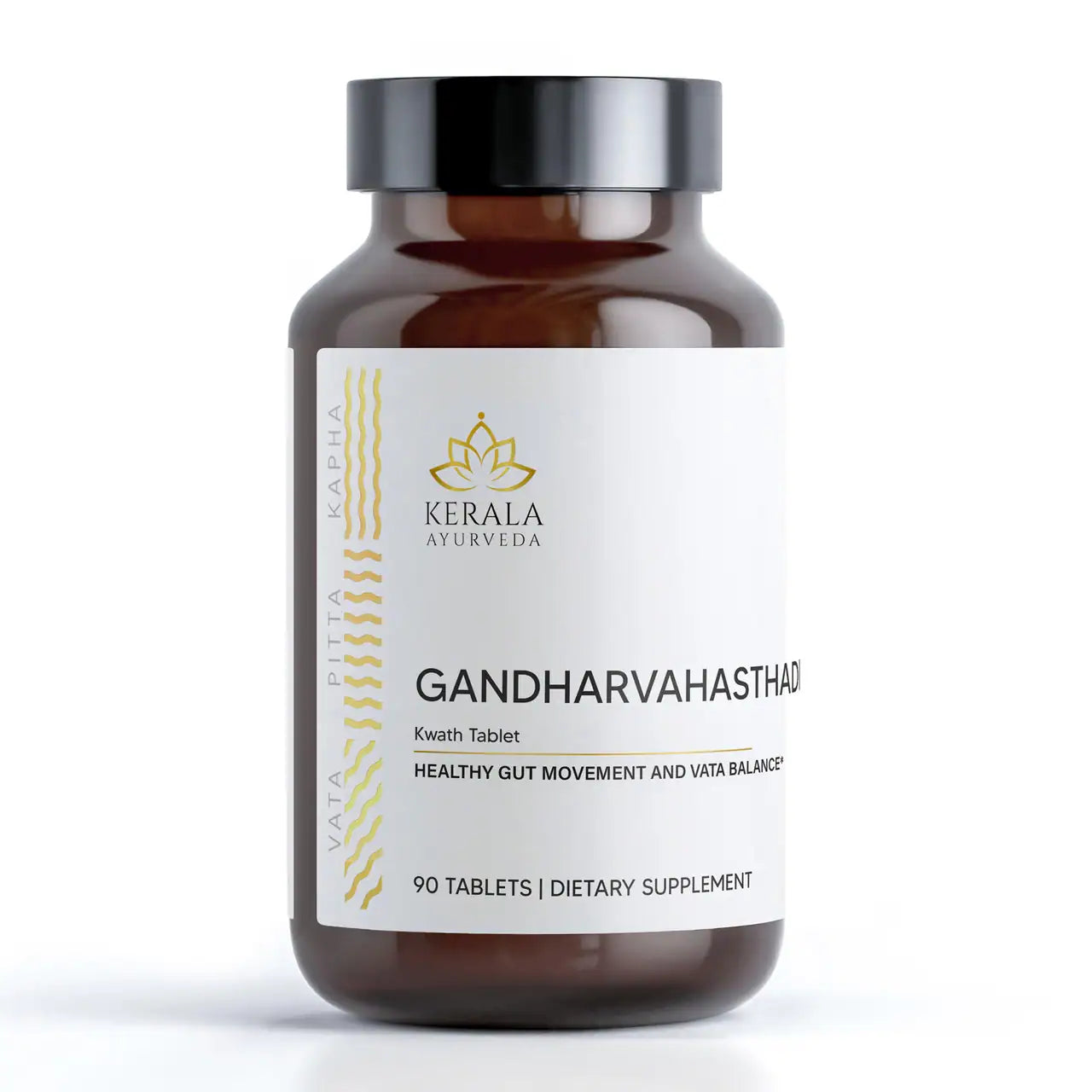

Gandharvahasthadi Kwath - Aids Digestion and Alleviates Bloating