




























Highlights
As the days lengthen and the sun climbs higher, we move into one of the year's most vibrant transitions. Summer brings brilliant light, warmth, and energy. In Ayurveda, this season corresponds to Pitta (Fire energy) time, when the qualities of heat, light, and intensity become dominant in both nature and our bodies.
If you live in northern climates, this shift can feel exhilarating at first. The world comes alive after the long cold months, gardens bloom, and people flow back outdoors. But underneath that welcome warmth, something subtler is happening. Heat accumulates. Intensity builds. By midsummer, many people feel irritable, overheated, or simply worn out, wondering what happened to the easy energy of spring.
Ayurveda helps us understand these seasonal influences and makes simple, timely adjustments that keep us cool, balanced, and healthy through summer and into early fall.
What Happens to Pitta During Summer in Northern Climates

In northern regions, Pitta season follows its own arc. Understanding how the sun moves through the sky is the key to understanding when and why Pitta builds in the body.
Ayurveda recognizes two great solar movements. Uttarayana (the sun's northward journey from the Winter Solstice to the Summer Solstice) is the period when the sun climbs higher and its rays grow more intense, heating and drying the earth. Dakshinayana (the sun's southward return from the Summer Solstice onward) is when the sun begins to retreat and the earth starts its slow, cooling exhale.
For those of us in northern climates, this solar rhythm shapes how Pitta moves through the body across the seasons.
The Pattern of Pitta Through Northern Seasons
Late Spring (May through early June): Pitta begins to accumulate. Days grow longer, the sun sits higher and brighter, and temperatures climb. The cool dampness of spring gives way to warmth. People with a Pitta constitution, or existing Pitta concerns, often feel this first as restlessness, sharper appetite, or new sensitivity to heat.
Summer Solstice (June 21) through July: This is the peak of Pitta season. The sun reaches its highest point on the Solstice, and environmental heat keeps building even afterward. Days are long, light is intense, and the qualities of hot, sharp, light, oily, and spreading dominate. July is often the most intense period of Pitta accumulation.
Early Fall (August through mid September): Even as days shorten, summer's stored heat lingers. Temperatures stay high, humidity can be heavy in many northern regions, and Pitta makes its presence known well into early fall. This is the season's long exhale, when accumulated heat finally begins to release.
The core principle is simple. When Pitta increases in the environment around us, Pitta within us tends to increase as well. In summer, the body can become overheated, inflamed, and sharp, while the mind can turn irritable, intense, and hard to settle.
Why Northern Climates Require Extra Attention

In northern climates, the contrast between seasons is dramatic. After months of cold, dark weather, the body meets the full force of summer with little gradual preparation. Many people feel wonderful when warmth first arrives, then struggle by July with skin flares, digestive heat, disrupted sleep, and emotional intensity.
These responses arise directly from the Fire and Water elements that make up Pitta. Summer in the north delivers a concentrated dose of sun, heat, and long daylight that can overwhelm the body's natural cooling capacity when we are not actively supporting balance.
Recognizing Pitta Imbalance: Simple Signs Your Body Gives You

Pitta imbalance shows up in many ways, in both body and mind. Here are the most common signs to watch for.
Physical Signs of Pitta Imbalance:
Excess heat: Feeling hot in moderate temperatures, sweating easily, intolerance of warm weather, and strong cravings for cool air and cold drinks
Skin and tissue changes: Redness, rashes, burning sensations, increased sun sensitivity, and a tendency toward skin flares in summer
Digestive intensity: Acid reflux, heartburn, sharp hunger that turns into irritability when meals are late, loose stools, and burning in the digestive tract
Eye sensitivity: Red or burning eyes, light sensitivity, and discomfort in bright sun
Inflammatory responses: Heat, tenderness, and redness in joints or tissues, especially in hot weather
Other signs: Excessive thirst, sharp body odor, and a feeling of internal heat with no outside cause
Mental and Emotional Signs:
Irritability and anger: Short temper, impatience, harsh judgment, and emotional intensity that feels hard to contain
Perfectionism and drive: A sharp mind that becomes overly demanding and easily frustrated when things fall short
Competitive intensity: A healthy drive that turns compulsive, with difficulty relaxing or accepting imperfection
Sleep challenges: Trouble falling asleep from an active, heated mind, waking between 2 and 4 AM, and vivid or intense dreams
Why These Symptoms Occur: Understanding Pitta's Nature

Pitta is made of fire and to a lesser degree water, which explains its signature symptoms. Think of Pitta like the midday sun with varying degrees of humidity.
Heat: Just as the summer sun warms everything it touches, excess Pitta raises internal temperature, leading to inflammation, redness, and burning.
Sharpness: The sun's rays are penetrating and precise. Excess Pitta sharpens digestion, vision, hunger, and the mind.
Intensity: Summer light is brilliant and relentless. Excess Pitta creates an intensity of focus and emotion that can exhaust body and mind when it finds no release.
Spreading: Heat moves outward. Excess Pitta spreads through the blood and skin, surfacing as rashes, redness, and heat.
Oiliness: Unlike Vata (Air energy) dryness, Pitta carries a slightly oily quality that can show up as excess oil on skin and scalp in summer.
Pitta governs all transformation in the body, from digestion of food to processing of emotions to temperature regulation. It is the intelligence that converts what we take in, whether meals, experiences, or sunlight, into energy and understanding. This is why Pitta is central to vitality and clarity, and why its excess is so noticeable.
Simple Ways to Prevent Pitta Imbalances

Prevention is the cornerstone of Ayurvedic wellness. Here are practical strategies for keeping Pitta balanced from late spring through early fall.
Embrace Opposite Qualities
The fundamental principle for balancing any energy is to introduce its opposite qualities. Since Pitta is hot, sharp, light, oily, and spreading, we balance it with:
- Coolness instead of heat
- Softness instead of sharpness
- Heaviness instead of excess lightness
- Dryness instead of excess oiliness
- Stillness instead of spreading intensity
Nourishment and Lifestyle Strategies for Northern Climates
Food Strategies:

Choose the Right Tastes: Sweet, bitter, and astringent tastes calm Pitta, while pungent, sour, and salty tastes increase it. Favor sweet foods like whole grains, naturally sweet fruits, and summer vegetables. Add bitter greens, cooling herbs like cilantro and mint, and astringent foods like legumes and fresh vegetables. Reduce very spicy and fermented foods in peak summer, and use salt and sour condiments in moderation.
Favor Cool, Fresh, Hydrating Foods: Choose foods that are cool or at room temperature, lightly cooked or fresh, and naturally hydrating. Summer is the season when fresh foods are abundant and well suited to the body. Cucumbers, melons, zucchini, leafy greens, fresh herbs, coconut, and sweet seasonal fruits are excellent. Use coconut oil, sunflower oil, or ghee, all cooling or neutral. Sip cooling herbal teas like mint, rose, hibiscus, and fennel. Avoid hot, spicy, fried, and heavily fermented foods in the hottest weeks.
Eat Mindfully and on Schedule: Pitta governs hunger, so irregular eating feels especially hard during a Pitta season. Eat meals at consistent times, with the largest meal at midday when digestive fire is strongest. Do not skip meals, since the sharp hunger that follows amplifies Pitta heat in body and mind.
Lifestyle Strategies:

Prioritize Coolness and Calm: Keep your living and working spaces cool during the hottest hours. Seek shade between 10 AM and 2 PM. Wear light, breathable, natural fabrics in cooling colors like white, blue, green, and soft lavender. Protect your head and face from prolonged sun. Swimming in cool fresh or salt water is one of the most enjoyable ways to reduce Pitta in northern climates, and long summer days give you plenty of chances.
Choose Gentle, Cooling Movement: Vigorous exercise in the heat of the day raises Pitta sharply. Move in the cool morning or the late evening instead. Walking near water, swimming, gentle yoga, and moderate cycling all work well. Avoid competitive or heated exercise in peak season, and always cool down afterward.
Protect Sleep and Create a Wind Down Ritual: Pitta keeps the mind sharp into the evening. Set a consistent bedtime and create a real wind down period in the two hours before sleep. Dim the lights, step away from screens, and choose calming activities like reading, gentle stretching, or sitting outdoors in the cooler air. Keep the bedroom cool in peak summer.
Support Emotional Balance: Pitta season amplifies intensity, competitiveness, and self criticism. Build in regular pauses through the day. Practice Sheetali (cooling breath), where you inhale slowly through a rolled or slightly open tongue and exhale through the nose, which reduces internal heat and calms the nervous system. Make space for laughter, play, and activities you enjoy for their own sake. The antidote to Pitta intensity is genuine ease.
Follow Seasonal Transitions Mindfully: Honor Ritucharya (seasonal regimen) by starting your Pitta balancing practices in the last week of spring, before full summer heat arrives. Then, as late August and September approach, shift gradually toward warmer, more grounding foods as you prepare for Vata season. This transition window of seven to fourteen days on either side of peak season matters most in northern climates, where one season can turn into the next very quickly.
Herbal Support for Pitta Season
Traditional Ayurvedic formulations can offer meaningful support for cooling and balancing Pitta through the summer. Two time tested formulations are especially well suited to Pitta season.
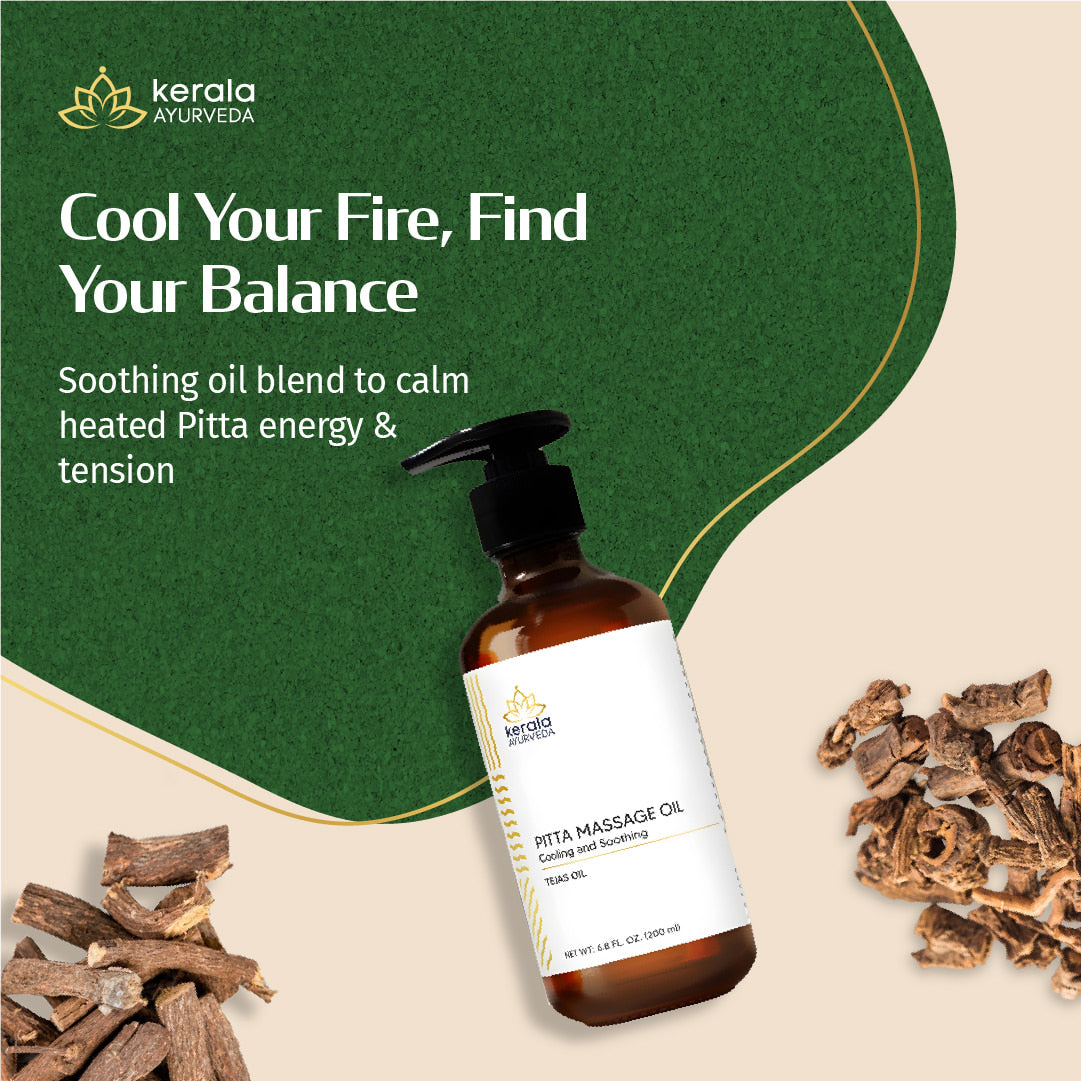
Pitta Massage Oil (Tejas Oil)

Pitta is governed by two elements that seem at odds, Fire and Water. Keeping them in balance takes the right support, and that is what Tejas Oil is made to provide. This herbal massage oil works with Pitta's nature rather than against it, using naturally cooling, cleansing, and balancing botanicals to encourage focused calm.
Tejas Oil is infused with Indian Madder Root, Indian Frankincense, and Indian Sarsaparilla, three herbs valued in Ayurveda for their cooling and soothing qualities. Together they create an ideal environment for imbalanced Pitta, supporting healthy inflammatory responses while hydrating the skin. Applied through daily self massage (Abhyanga) followed by a cool or lukewarm shower, Tejas Oil helps release the restlessness and tension that signal Pitta excess.
- Optimizes balance and relaxes Pitta (Fire energy)
- Helps support a clear, healthy complexion
- Balances and cools Pitta
- Nourishes and hydrates skin
- Soothes and calms the mind
- Eases tension
- Enhances the body's resistance to hot temperatures
Learn more: Pitta Massage Oil (Tejas Oil)
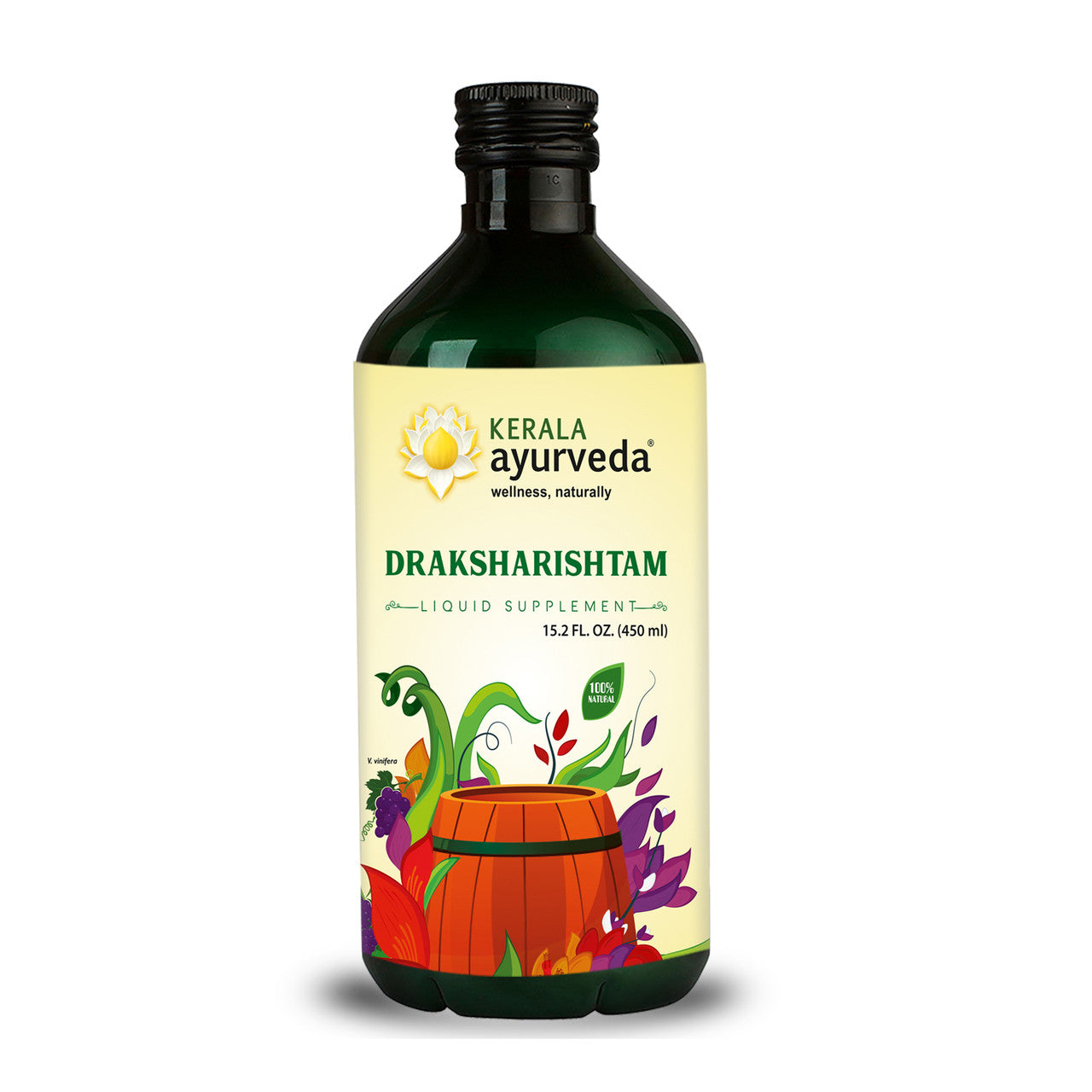
Draksharishtam

This fermented Ayurvedic elixir is built on sun dried grapes (Draksha), a fruit Ayurveda recognizes as sweet, cooling, and nourishing to Pitta. Prepared through natural fermentation in wooden vats, Draksharishtam supports healthy digestion, soothes the respiratory tract, and gives a gentle, steady boost to energy without adding heat. Its sweet, cooling qualities align beautifully with Pitta season, when digestion and the respiratory system both feel summer's intensity. It also supports the body's natural cleansing pathways and helps sustain stamina through long, active days.
How to Use: Two teaspoons in the morning or evening after food, or as recommended by your Ayurvedic Health Practitioner.
Learn more: Draksharishtam
Together, these two formulations complement the food and lifestyle practices above, offering both external and internal support through the most intense weeks of Pitta season.
When to Seek Support

For those in northern climates, a seasonal Ayurvedic consultation as summer begins is a wise investment. It helps you navigate the arc from late spring accumulation through peak summer heat and into the early fall transition.
If you notice persistent signs of Pitta imbalance despite these adjustments, consider consulting an Ayurvedic Health Practitioner. Early attention keeps simple seasonal imbalances from becoming more complex concerns.
Ayurvedic approaches for deeper Pitta imbalances may include specialized cooling formulations, targeted oil therapies, and Virechana (therapeutic purification), which is especially effective for releasing accumulated heat from the tissues.
The experienced practitioners at Kerala Ayurveda Wellness Center understand the rhythms of northern seasonal living. They can offer personalized guidance tailored to your constitution and current state of balance, helping you move through summer with clarity, ease, and lasting vitality.
Embrace the Season with Awareness
Summer is a season of abundance, light, and full expression. By understanding how Pitta shapes our bodies and minds, we can welcome the season's gifts without being overwhelmed by its intensity. Ayurveda teaches that we are intimately connected with nature's rhythms, and honoring those connections cultivates lasting health.
In northern climates, we need to stay ahead of the long, bright summer. When we build resilience through food, lifestyle, and awareness, we meet the heat with equanimity rather than exhaustion or irritability.
Remember, small and consistent changes make the biggest difference. Start with one or two practices that feel natural, then build your seasonal routine from there. Your body has its own intelligence and will respond beautifully when you give it what it needs to stay cool, clear, and balanced through every season.

Ayurvedic References
The information in this article is based on Ayurvedic texts including:
- Charaka Samhita Sutrasthana, Chapter 20, Maharoga Adhyaya (conditions arising from Pitta imbalance)
- Charaka Samhita Sutrasthana, Chapter 6, Tasyashiteeya Adhyaya (seasonal regimen, including Uttarayana and Dakshinayana and their effect on the doshas)
- Sushruta Samhita Sutrasthana, Chapter 6, Ritucharya Adhyaya (seasonal regimen and solar movements)
- Sushruta Samhita Sutrasthana, Chapter 15 (increase and decrease symptoms of the doshas)
- Ashtanga Hrudaya Sutrasthana, Chapter 11, Doshadi Vijnaniya Adhyaya (Pitta increase and decrease symptoms)
- Ashtanga Hrudaya Sutrasthana, Chapter 3, Ritucharya Adhyaya (seasonal regimen)
Related Products