

























Highlights
If you have been experiencing heartburn, skin inflammation, or finding yourself more irritable than usual, your body might be gently asking for some cooling support. Understanding what Pitta is and why it becomes aggravated helps you respond with kindness to what your body needs.
The encouraging news? Once you recognize these patterns, you can take nurturing steps that bring relief within days. Your body wants to return to balance, and you can support that natural process with simple, effective practices.
Understanding Pitta: Your Body's Fire Energy

Think of Pitta as the energy of transformation in your body. Every bite of food you digest, every nutrient your cells absorb, every thought you process into understanding. Pitta governs it all.
In Ayurveda, Pitta (Fire energy) combines the elements of Fire and Water. This gives Pitta its natural qualities: hot, sharp, intense, oily, and transformative. When Pitta stays balanced, you feel focused, sharp minded, and efficient. Your digestion is strong. You have natural leadership qualities and the drive to accomplish your goals. Life feels purposeful and productive.
But sometimes Pitta can increase beyond its healthy range. When this happens, that wonderful intensity might feel more like irritability. The sharpness might show up as being harder on yourself or others. The heat might appear as heartburn or feeling uncomfortably warm. The focus might become perfectionism that leaves you feeling never quite satisfied.
This is simply your body letting you know it needs some cooling support. Pitta has temporarily moved out of its comfortable range and is ready to come back into balance.
Are You Experiencing Pitta Imbalance? Recognizing the Signs

Your body sends gentle signals when Pitta has moved out of balance. See if any of these patterns feel familiar:
Your Digestion Needs Cooling
- Heartburn or acid reflux, especially after meals
- Loose stools or occasional diarrhea
- Burning sensation in the stomach
- Hunger that feels urgent or creates irritability if delayed
- Discomfort after eating, even when digestion is usually strong
Your Body Shows Excess Heat
- Skin inflammation, breakouts, or rashes (beyond your usual skin pattern)
- Feeling uncomfortably warm when others are comfortable
- Light sensitivity that has increased beyond what is normal for you
- Inflammatory responses that feel more intense than usual
- Skin feeling hot or irritated
Your Emotions Feel More Intense
- Irritability that arises more quickly than usual
- Impatience with yourself and others
- Frustration when things do not go as planned
- Finding yourself being more critical or judgmental
- Difficulty relaxing or releasing control
- Competitiveness that leaves you feeling exhausted
Your Mind Feels Overheated
- Perfectionism that feels burdensome rather than motivating
- Overthinking and analyzing without resolution
- Difficulty accepting mistakes or imperfection
- Strong need to be right or prove your point
- Pushing yourself harder than feels sustainable
- Driven but not satisfied, no matter what you accomplish
If several of these symptoms resonate with you, Pitta may have temporarily increased beyond its comfortable range. Your body is simply asking for some cooling, calming support.
What Causes Pitta to Become Aggravated?

Understanding what increases Pitta helps you make supportive choices. Pitta naturally rises when you experience qualities similar to its nature: heat, intensity, or stimulation.
Seasonal Influences
Summer and early autumn naturally increase Pitta energy. The warm weather invites Pitta to rise. If you notice these patterns appearing during these seasons, your body is simply responding to the environment around you.
Lifestyle Patterns
These patterns can invite Pitta to rise. See if any feel familiar:
- Working intensely without giving yourself restorative breaks
- Focusing heavily on competition and achievement
- Expecting more of yourself than feels sustainable
- Rushing through meals or skipping them altogether
- Having little time for leisure, play, and simply being
- Spending time in very hot environments like saunas or hot yoga
- Living with constant deadlines and pressure
- Holding yourself to impossibly high standards
Food Choices
Certain foods naturally carry more heat and can encourage Pitta to rise:
- Hot and spicy foods that create warmth in your system
- Sour foods including citrus, vinegar, and yogurt
- Salty and fried preparations
- Red meat and heavily processed meats
- Alcohol, particularly wine and spirits
- Caffeine when consumed in large amounts
- Fermented foods in generous quantities
Environmental Factors
- Hot weather and sun exposure
- Bright lights and screens
- Loud or aggressive environments
- Competitive or confrontational situations
- Lack of cooling, calming surroundings
When you recognize what has invited Pitta to rise, you can gently guide it back to balance. Let's explore the nurturing practices that help.
Your Pitta Healing Plan: Cooling Practices That Bring Relief

The approach is gentle and natural: Pitta carries heat, so you offer coolness. Pitta brings intensity, so you provide calmness. When you lovingly apply opposite qualities, your body naturally returns to its comfortable balance.
Cooling Foods That Calm Pitta
Your food choices can lovingly support Pitta in returning to balance. Enjoy cool or room temperature foods that are naturally sweet, bitter, and astringent. These foods gently cool your system from within.
Foods That Help
- Cooling vegetables including cucumbers, zucchini, leafy greens, and asparagus
- Sweet fruits including melons, grapes, coconut, sweet apples, and pears
- Whole grains including rice, barley, oats, and wheat
- Cooling spices including coriander, fennel, mint, and cardamom
- Ghee and coconut oil (cooling fats)
- Fresh herbs including cilantro, parsley, and dill
- Milk and sweet dairy products (avoid sour dairy like yogurt)
- Room temperature or cool water throughout the day
Foods That May Increase Heat
When Pitta feels elevated, these foods might be less supportive for you:
- Hot and spicy seasonings (chili peppers, hot sauce, cayenne)
- Sour foods (citrus fruits, tomatoes, vinegar, sour cream)
- Heavily salted and fried preparations
- Red meat and processed meats
- Alcohol and excessive caffeine
- Fermented foods (sauerkraut, pickles, aged cheese)
- Pungent vegetables like garlic and onions in large amounts
You might find that reducing these foods for a time allows your system to cool and settle.
How You Eat Matters Too
The way you nourish yourself is just as important as what you eat:
- Honor your hunger by eating regular meals, especially at midday
- Create a gentle rhythm by eating at consistent times each day
- Pause and take a few calming breaths if you notice tension before eating
- Enjoy your food slowly, chewing mindfully and tasting fully
- Keep yourself well hydrated with room temperature or cool water
- Create a peaceful environment for your meals, free from stress or intensity
Daily Routines That Cool and Calm

Creating routines that reduce intensity is medicine for Pitta. Your system relaxes when you allow space for rest and cooling.
Morning Routine Wake up at a comfortable time, allowing yourself to ease into the day. Avoid immediately jumping into intense activity. Take a few moments to breathe and set a calm intention for your day.
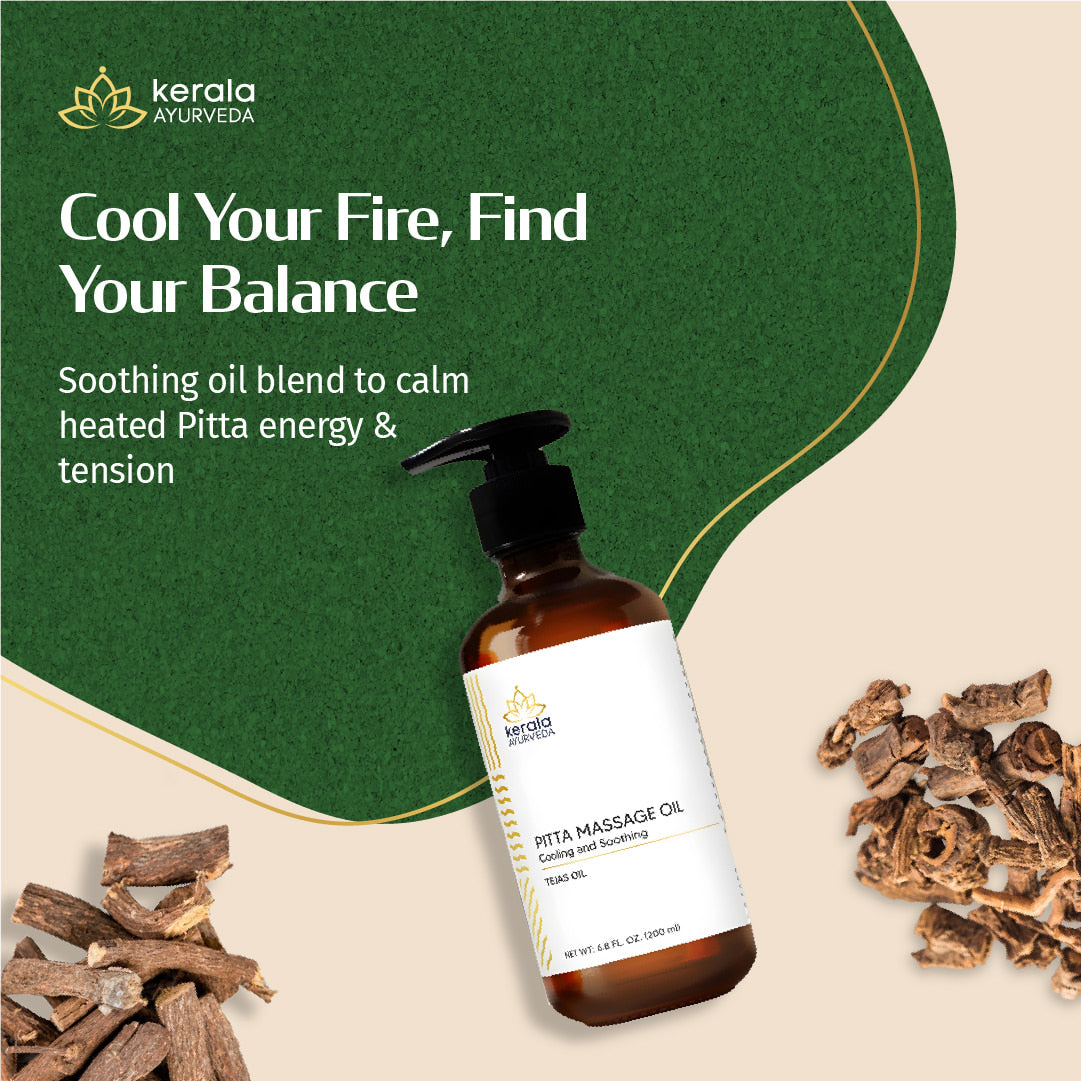
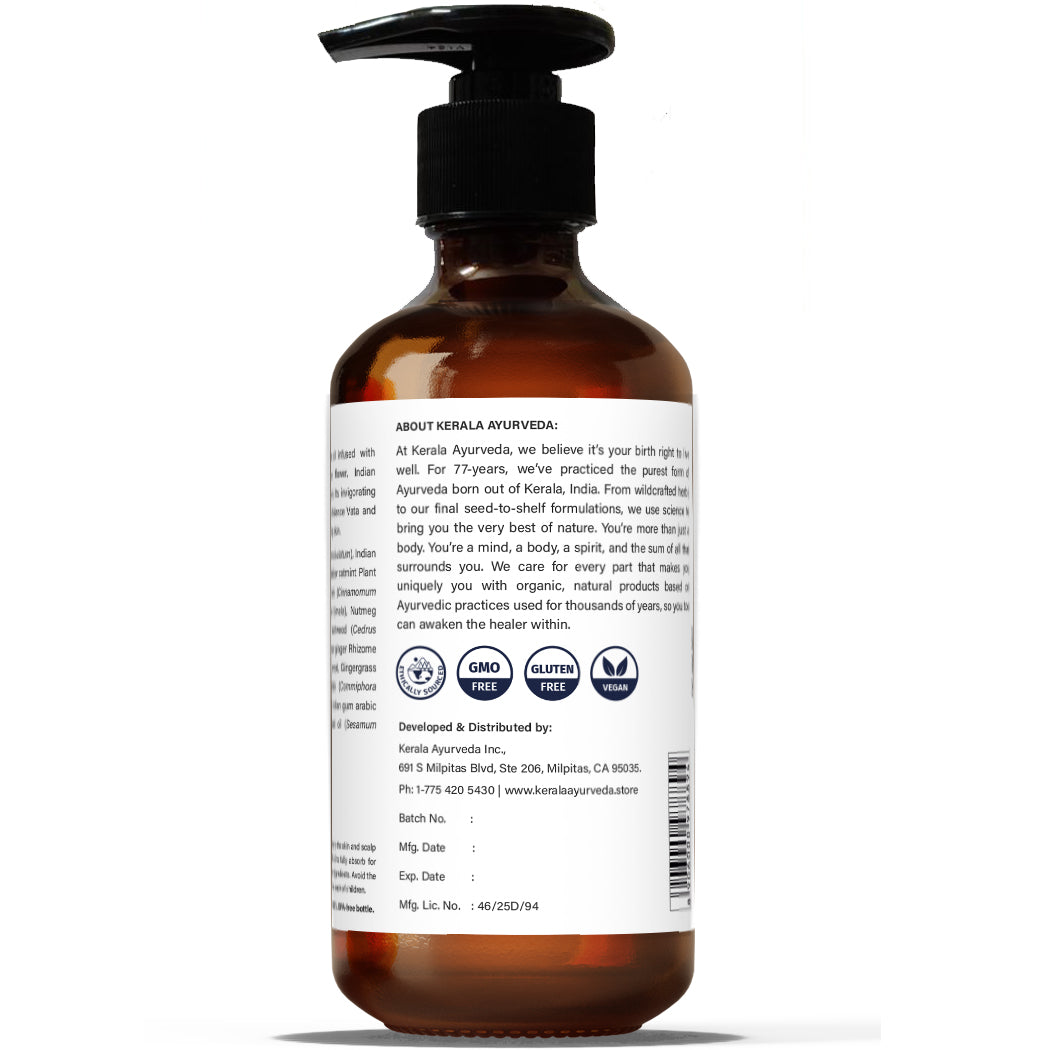
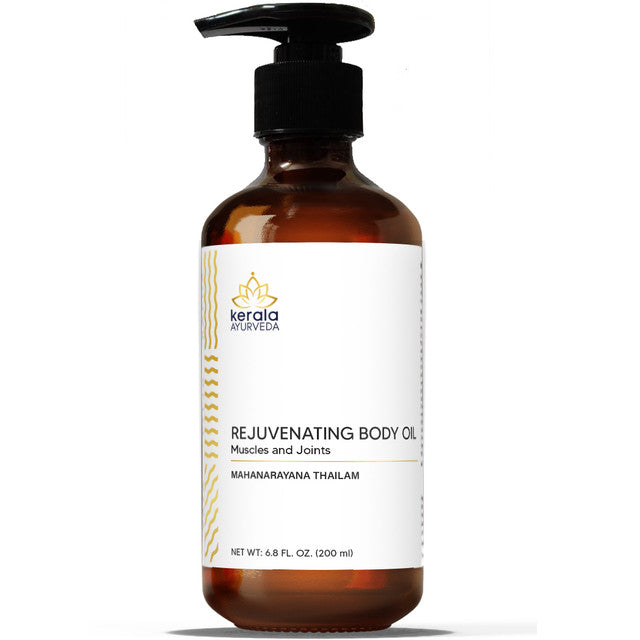
The Power of Cooling Oil Massage One of the most effective practices for calming Pitta is daily self massage with cooling oil. Before your morning shower, massage your body with Pitta Body Oil (Tejas Massage Oil). This specially formulated oil contains herbs that pacify Pitta and cool the system.
The oil should be at room temperature or slightly warm, never hot. Apply the oil all over your body, using long strokes on your limbs and circular motions on your joints. Focus on massaging the head, as Pitta accumulates strongly there. Let the oil soak in for at least 10 to 15 minutes before bathing. This practice helps release excess heat and calm intensity.
Midday Pause Take breaks throughout your workday. Step away from screens. Look at something green or gaze at the sky. Even five minutes of pause helps prevent Pitta buildup.
Evening Routine Allow yourself to wind down completely in the evening. Avoid working late or engaging in competitive activities. Take a cool shower if the weather is warm. Go to bed by 10:30 PM to ensure adequate rest.
Create Cooling Environments
- Keep your living and working spaces comfortably cool
- Use cooling colors like blues, greens, and whites in your surroundings
- Spend time near water (lakes, rivers, ocean, even fountains)
- Seek shade during hot weather
- Use natural light or soft lighting rather than harsh, bright lights
Movement and Breathwork

Moderate, Non Competitive Movement Pitta needs movement, but the kind that soothes rather than inflames. Choose practices that help you feel calm and refreshed:
- Swimming, especially in pleasantly cool water
- Walking in nature, particularly near water or in shaded, peaceful areas
- Gentle yoga that focuses on cooling poses and ease
- Cycling at a comfortable pace during cooler times of day
- Stretching and flexibility work that feels nourishing
You might notice that exercising during the heat of the day, competitive sports, hot yoga, or very intense workouts tend to increase your heat. Listen to your body and choose movements that leave you feeling refreshed rather than overheated or depleted.
Cooling Breathwork
Practice cooling breath techniques throughout the day. A simple practice: Sheetali breath, breathing in through a curled tongue and out through the nose. If you cannot curl your tongue, breathe in through slightly parted lips. This immediately cools the body and calms Pitta energy.
Another effective technique is left nostril breathing. Close your right nostril with your thumb and breathe slowly through your left nostril for several minutes. The left side is cooling in Ayurveda.
Creating Emotional and Mental Balance
These gentle practices support your mind and heart in finding ease and contentment.
Softening Perfectionism
- Remind yourself that good enough often truly is perfect
- Notice when your standards feel harsh and offer yourself kindness
- Celebrate your progress and efforts, not just outcomes
- Allow yourself and others the grace to be human and imperfect
Nurturing Patience
- Take three slow, cooling breaths before responding when you feel heat rising
- Practice the art of waiting with gentleness rather than urgency
- Notice when you feel rushed and consciously give yourself more time
- Allow space between stimulus and response
Cultivating Contentment
- Keep a gratitude practice, noticing three gifts in your day
- Acknowledge what you have accomplished and appreciate your efforts
- Find moments of satisfaction in the present, just as it is
- Release the constant need for more, better, different
Honoring Rest and Play
Make space for activities that nourish your spirit without any agenda. Read something delightful. Listen to soothing music. Spend time in nature simply being. Give yourself permission to rest, play, and enjoy without purpose or productivity.
What to Expect: Your Healing Journey

When you lovingly implement these Pitta balancing practices, you may begin noticing gentle shifts within the first few days. Remember, everyone's journey is unique, and your body will respond in its own perfect timing.
Within 3 to 5 Days
- Heartburn and acidity begin to ease
- You feel more patient with yourself and others
- Heat sensitivity starts to lessen
- Skin begins to feel more comfortable
- A softening of intensity and urgency
Within 1 to 2 Weeks
- Noticeable reduction in irritability and frustration
- Digestion feels more comfortable and at ease
- Skin inflammation continues to calm
- Your inner critic becomes quieter
- Relaxation feels more natural and accessible
Within 3 to 4 Weeks
- A lovely sense of calm contentment settles in
- Comfortable, easeful digestion becomes your norm
- Skin feels clear and peaceful
- Balanced drive without the burnout
- An overall feeling of cool, focused, joyful energy
Be patient and kind with yourself as your body finds its way back to balance. These practices work because they support your body's natural wisdom. Trust the process and maintain consistency, allowing your system the time it needs to shift into a new, balanced pattern.
Take the Next Step: Personalized Support for Your Journey

While these Pitta balancing practices offer wonderful support for most people, your individual journey is beautifully unique. An experienced Ayurvedic practitioner can warmly assess your specific constitution, lovingly identify which aspects need the most attention, and create a personalized plan that honors your particular needs and lifestyle.
The Kerala Ayurveda Wellness Center offers compassionate consultations with five experienced Vaidyas (Ayurvedic practitioners) who specialize in gentle, accurate dosha assessment and personalized healing support. During your consultation, you will receive:
- A thorough, caring assessment of your constitution and current state
- Personalized food recommendations tailored to your unique digestion
- Customized daily routine suggestions that honor your lifestyle
- Thoughtful herbal recommendations if beneficial
- Ongoing, supportive guidance as you embrace your healing journey
We invite you to schedule your consultation and receive the personalized care that will support you in moving from inflamed and intense to calm, focused, and content.

References
- Dey S, Pahwa P. Prakriti and its associations with metabolism, chronic diseases, and genotypes: Possibilities of new born screening and a lifetime of personalized prevention. Journal of Ayurveda and Integrative Medicine. 2014;5(1):15-24. doi:10.4103/0975-9476.128848
- Venkatesh A, Johansson L, Sivanandan PV, Gopakumar SP, Sankaranarayanan K, Kessler CS, Ravani S, Puthiyedath R. Prakriti (constitutional typology) in Ayurveda: a critical review of Prakriti assessment tools and their scientific validity. Frontiers in Medicine. 2025;12:1656249. doi:10.3389/fmed.2025.1656249
- Charaka Samhita, Śārīrasthāna 3/4-13. In: Sharma RK, Dash B, editors. Charaka Samhita: Text with English translation and critical exposition based on Chakrapani Datta's Ayurveda Dipika. Varanasi: Chaukhambha Sanskrit Series Office; 2014.
This blog is for educational purposes only. For personalized health guidance and accurate dosha assessment, please consult a qualified Ayurvedic practitioner.

Related Products