



































Highlights
If you have been experiencing anxiety, restlessness, digestive issues, or exhaustion that will not go away, your body might be showing signs of Vata (Air energy) imbalance. Understanding what Vata is and why it becomes aggravated is the first step toward finding relief that lasts.
The good news? Once you recognize these patterns, you can take specific steps that bring relief within days. No guessing. No trial and error. Just targeted practices that address what your body actually needs right now.
Understanding Vata: Your Body's Movement Energy

Think of Vata as the energy of movement in your body. Every breath you take, every heartbeat, every thought that flows through your mind, all the way down to how food moves through your digestive system. Vata governs it all.
In Ayurveda, Vata combines the elements of Space and Air. This gives Vata its natural qualities: light, dry, cold, mobile, and changeable. When Vata stays balanced, you feel creative, energetic, and enthusiastic. Your mind is quick and adaptable. Life feels exciting and full of possibility.
But here is what happens when Vata becomes aggravated. All that wonderful movement and creativity turns into anxiety and scattered thinking. The lightness becomes fatigue. The dryness shows up in your skin, hair, and digestion. The cold leaves you reaching for sweaters when everyone else feels comfortable. Adapting to change makes everything feel unpredictable and overwhelming.
Your body is not broken. Vata has simply increased beyond its healthy range and needs to be brought back into balance.
Are You Experiencing Vata Imbalance? Recognizing the Signs

Your body sends clear signals when Vata becomes aggravated. See if any of these patterns feel familiar:
Your Digestion Tells the Story
- Gas and bloating after meals
- Constipation or irregular bowel movements
- Variable appetite (sometimes ravenous, sometimes not hungry at all)
- Stomach feels unsettled and unpredictable
Your Body Feels Different
- Dry skin no matter how much lotion you apply
- Dry, brittle hair
- Joint discomfort or cracking joints
- Always feeling cold, especially your hands and feet
- Exhausted but somehow still restless
Your Mind and Emotions Shift
- Anxiety and worry that will not quiet down
- Restless sleep or difficulty falling asleep
- Racing thoughts that jump from topic to topic
- Difficulty focusing on tasks
- Feeling ungrounded or spacey
- Overwhelmed by too many choices or changes
Your Energy Feels Scattered
- Fatigue despite not doing anything especially strenuous
- Energy comes in bursts but does not sustain
- Difficulty completing projects you start
- Feeling frazzled by the end of the day
If several of these symptoms resonate with you, Vata has likely become aggravated. The question now is: what caused this imbalance, and more importantly, what can you do about it?
What Causes Vata to Become Aggravated?

Understanding what aggravates Vata helps you prevent future imbalances. Vata increases when you are exposed to qualities similar to Vata itself: anything cold, dry, light, or excessively mobile.
Seasonal Influences Autumn and early winter naturally increase Vata. The cool, dry, windy weather mirrors Vata's qualities. If you notice these symptoms appearing or worsening during these seasons, you are experiencing Vata's seasonal pattern.
Lifestyle Patterns
- Irregular daily routines (eating at different times, sleeping at different hours)
- Too much travel, especially air travel
- Overscheduling and constant rushing
- Excessive physical or mental activity without rest
- Lack of relaxing time spent in nature (exercise like running is not the same as relaxing in nature)
- Major life changes and transitions
- High stress and anxiety
Food Choices
- Eating too many uncooked, cold, or dry foods
- Skipping meals or eating at sporadic times
- Consuming too much caffeine
- Not including enough healthy fats in meals
- Favoring salads and smoothies over warm, cooked foods
Environmental Factors
- Cold and windy weather exposure
- Loud or chaotic environments
- Constant stimulation from screens and devices
- Lack of routine and structure
When you can identify what triggered your Vata imbalance, you gain the power to make different choices. But right now, the most important thing is bringing Vata back into balance.
Your Vata Healing Plan: Grounding Practices That Bring Relief

The principle is simple: Vata is cold, so you need warmth. Vata is dry, so you need moisture. Vata is light and mobile, so you need grounding and stability. When you apply opposite qualities, balance returns naturally.
Nourishing Foods That Calm Vata
Your food choices make a significant difference in how quickly Vata comes back into balance. Focus on warm, cooked, moist, and grounding foods that settle and nourish your system.
Foods That Help
- Well cooked whole grains like rice, oats, and wheat
- Root vegetables including sweet potatoes, carrots, beets, and squash
- Ripe, sweet fruits like bananas, cooked apples or pears, and dates
- Healthy fats at every meal: ghee, sesame oil, olive oil, avocados
- Warming spices including ginger, cinnamon, cumin, and black pepper
- Soups, stews, and one pot meals that are easy to digest
- Warm cow or almond milk with spices before bed
- Herbal teas like chamomile, licorice, fennel
Foods to Minimize
- Raw vegetables, especially in cold weather
- Cold or frozen foods and beverages
- Dried fruits unless soaked first
- Caffeine and stimulants
- Beans that create gas (or cook them very well with spices)
How You Eat Matters Too
- Eat at the same times each day to establish routine
- Sit down in a calm environment without distractions
- Chew your food thoroughly
- Include a source of healthy fat with each meal
- Sip warm water or herbal tea with meals
Daily Routines That Ground and Stabilize

Creating regular routines is medicine for Vata. Your nervous system relaxes when it knows what to expect.
Morning Routine: Wake up around the same time each day, ideally before or at sunrise. Begin your morning gently rather than rushing. Take a few deep breaths before getting out of bed.

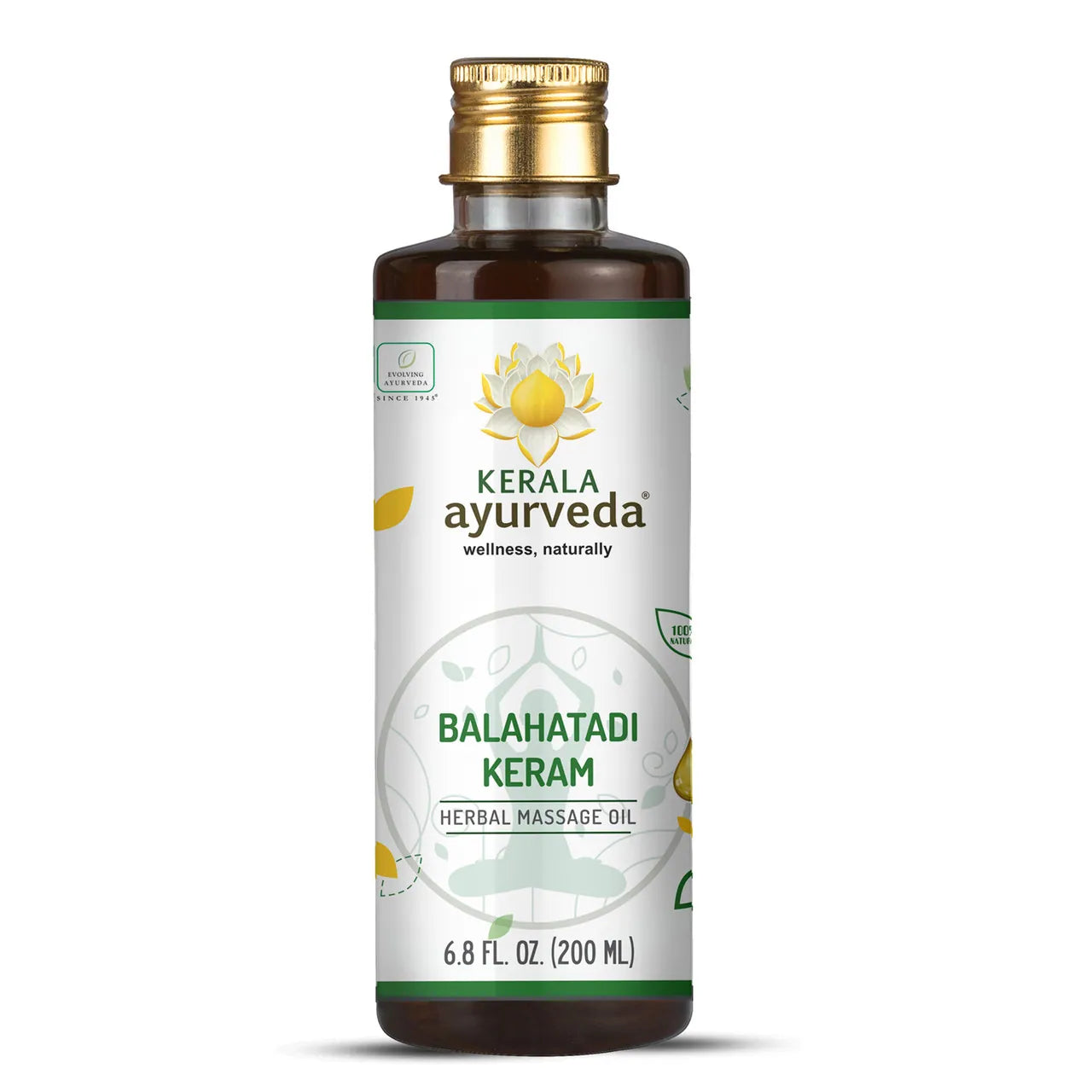
The Power of Warm Oil Massage One of the most effective practices for calming Vata is daily self massage with warm oil. Before your morning shower or bath, massage your body with warm Vata Body Oil (Pavan Oil). This specially formulated oil contains herbs that pacify Vata and calm the nervous system.
Warm the oil by placing the bottle in hot water for a few minutes. Apply the oil generously all over your body, using long strokes on your limbs and circular motions on your joints. Let the oil soak in for at least 10 to 15 minutes before bathing. This practice alone can transform how you feel within a week.
Evening Routine Begin winding down at least an hour before bed. Dim the lights, turn off screens, and engage in calming activities. Take a warm bath. Sip chamomile tea. Go to bed by 10:00 PM to ensure you get 7 to 8 hours of quality sleep.
Create Warmth and Comfort
- Keep your environment warm, especially during cold weather
- Wear layers and protect yourself from wind
- Take warm baths or showers
- Use warm colors and soft textures in your home
- Create cozy, nurturing spaces
- Movement and Breathwork
Gentle, Grounding Exercise Vata needs movement, but not the intense, depleting kind. Choose practices that calm rather than stimulate:
- Restorative yoga or gentle hatha yoga
- Walking in nature at a comfortable pace
- Swimming in warm water
- Tai chi or qi gong
- Stretching and gentle movement
Avoid excessive exercise, running in cold wind, or anything that leaves you feeling depleted rather than refreshed.
Calming Breathwork Practice slow, deep breathing several times throughout the day. A simple practice: breathe in for a count of four, hold for a count of four, breathe out for a count of six. This immediately calms the nervous system and grounds Vata energy.
Creating Emotional and Mental Balance

Establish Predictable Routines
- Wake up, eat meals, and go to bed at consistent times
- Create morning and evening rituals you follow daily
- Limit multitasking and focus on one thing at a time
- Say no to unnecessary commitments
Reduce Stimulation
- Limit screen time, especially before bed
- Choose calm, soothing music over loud or chaotic sounds
- Spend time in quiet, peaceful environments
- Practice being present rather than constantly planning
Meditation and Mindfulness Even five minutes of quiet meditation each day helps calm the racing Vata mind. Sit comfortably, close your eyes, and focus on your breath. When your mind wanders (and it will), gently bring your attention back to your breath.
What to Expect: Your Healing Timeline
When you implement these Vata balancing practices consistently, you should notice changes within the first few days.
Within 3 to 5 Days
- Less gas and bloating after meals
- Improved bowel regularity
- Better sleep, falling asleep more easily
- Feeling more grounded and less anxious
Within 1 to 2 Weeks
- Significant reduction in anxiety and worry
- More sustained energy throughout the day
- Skin feels more hydrated
- Mind feels clearer and more focused
- Joints feel more comfortable
Within 3 to 4 Weeks
- Deep sense of calm and groundedness
- Predictable digestion and elimination
- Consistent energy levels
- Better stress resilience
- Overall feeling of balance and wellbeing
The key is consistency. These practices work because they address the root cause of Vata imbalance. But you need to maintain them long enough for your body to shift out of the Vata aggravated pattern and into a new, balanced state.
Take the Next Step: Personalized Guidance for Your Unique Needs

While these general Vata balancing practices help most people experiencing Vata imbalance, your individual situation is unique. An experienced Ayurvedic practitioner can assess your specific constitution, identify exactly which aspect of Vata needs the most attention, and create a personalized plan that addresses your particular symptoms and lifestyle.
The Kerala Ayurveda Wellness Center offers comprehensive consultations with five experienced Vaidyas (Ayurvedic practitioners) who specialize in accurate dosha assessment and personalized healing protocols. During your consultation, you will receive:
- Detailed assessment of your constitution and current imbalances
- Personalized food recommendations based on your digestion and preferences
- Customized daily routine suggestions that fit your lifestyle
- Specific herbal recommendations if needed
- Ongoing support as you implement your healing plan
Schedule your consultation today to receive the precise guidance that will help you move from anxious and exhausted to calm, grounded, and energized.

References
- Dey S, Pahwa P. Prakriti and its associations with metabolism, chronic diseases, and genotypes: Possibilities of newborn screening and a lifetime of personalized prevention. Journal of Ayurveda and Integrative Medicine. 2014;5(1):15-24. doi:10.4103/0975-9476.128848
- Venkatesh A, Johansson L, Sivanandan PV, Gopakumar SP, Sankaranarayanan K, Kessler CS, Ravani S, Puthiyedath R. Prakriti (constitutional typology) in Ayurveda: a critical review of Prakriti assessment tools and their scientific validity. Frontiers in Medicine. 2025;12:1656249. doi:10.3389/fmed.2025.1656249
- Charaka Samhita, Śārīrasthāna 3/4-13. In: Sharma RK, Dash B, editors. Charaka Samhita: Text with English translation and critical exposition based on Chakrapani Datta's Ayurveda Dipika. Varanasi: Chaukhambha Sanskrit Series Office; 2014.
This blog is for educational purposes only. For personalized health guidance and accurate dosha assessment, please consult a qualified Ayurvedic practitioner.